WORKPLACE MASSAGE & WELLBEING
  • Home
  • Services
    • Massage Therapy
    • Wellness Coaching
    • Workplace Wellbeing
  • Blog

THE WELLBEING BLOG

Submit

Caring Hands in a Changing Climate....

18/8/2023

0 Comments

 
Picture
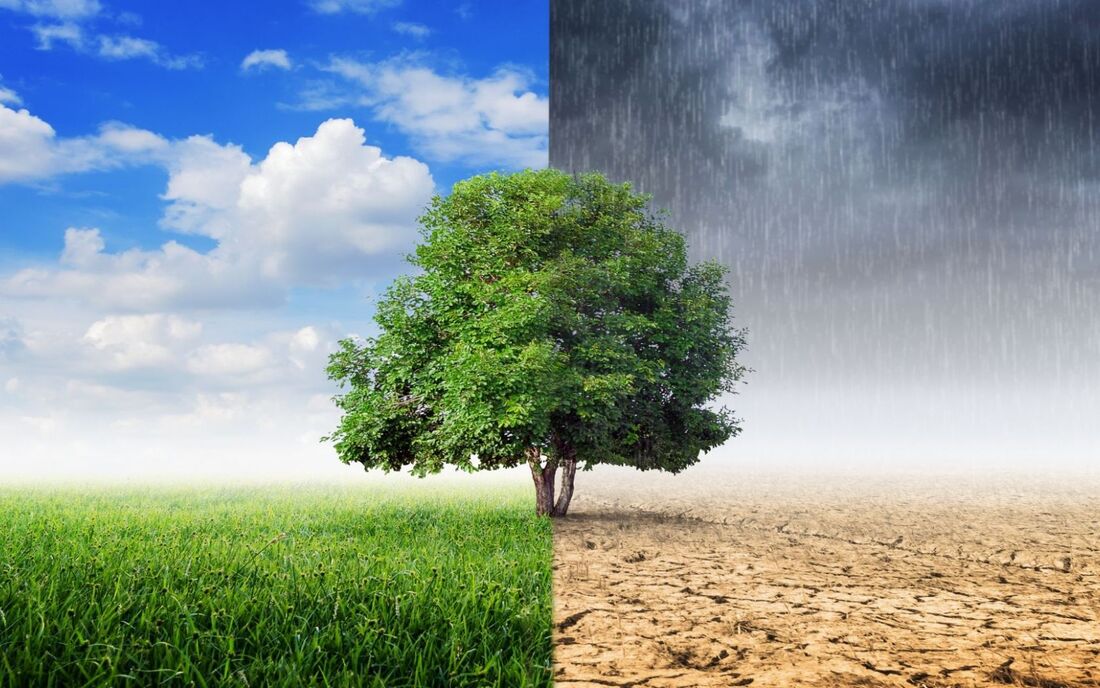
Climate change has become one of the most pressing global challenges of our time, with far-reaching consequences for the environment, economies, and societies. However, one aspect that often goes overlooked is the direct impact of climate change on the human body. From heat-related illnesses to mental health issues, the changing climate can have significant effects on our wellbeing. In this blog, we will explore how climate change affects the human body and discuss how practices like massage and overall wellbeing can play a role in mitigating these effects.

  1. Heat-Related Illnesses: As global temperatures rise, the frequency and intensity of heatwaves increase. Prolonged exposure to high temperatures can lead to heat-related illnesses such as heat exhaustion and heatstroke. Vulnerable populations, including the elderly, children, and individuals with certain medical conditions, are at a higher risk.
  2. Respiratory Issues: Climate change contributes to air pollution and the spread of allergens, which can exacerbate respiratory conditions like asthma and allergies. Increased levels of airborne pollutants and pollen can lead to more frequent and severe respiratory symptoms.
  3. Vector-Borne Diseases: Changes in temperature and precipitation patterns can impact the distribution of disease-carrying vectors like mosquitoes and ticks. This can lead to the spread of diseases like malaria, dengue fever, and Lyme disease to regions that were previously unaffected.
  4. Mental Health Challenges: The psychological toll of climate change, including natural disasters, displacement, and environmental anxiety, can negatively impact mental health. Rising sea levels, extreme weather events, and the loss of livelihoods due to changing environments can lead to increased stress, anxiety, and depression.


Massage and Wellbeing as a Response
  1. Stress Reduction: Massage therapy has been shown to effectively reduce stress and anxiety. By promoting relaxation and reducing muscle tension, massage can provide a sense of relief from the emotional and mental strain caused by climate-related worries.
  2. Physical Healing: Massage can alleviate the physical discomfort associated with heat-related illnesses, muscle aches, and tension. It promotes better blood circulation and helps the body recover from stressors.
  3. Immune System Support: Climate change can weaken the immune system due to factors like increased exposure to pollutants and allergens. Regular massages can potentially enhance immune function, helping the body better fend off illnesses.
  4. Mental Resilience: Incorporating massage into a wellness routine can contribute to improved mental resilience. The relaxation and mindfulness promoted by massage can enhance one's ability to cope with the emotional challenges posed by climate change.
  5. Mind-Body Connection: A holistic approach to wellbeing, including massage, meditation, and mindfulness practices, can foster a stronger mind-body connection. This connection can lead to better self-awareness and a more proactive response to stressors.
The impact of climate change on the human body is a multifaceted issue that requires a comprehensive approach to address. While the larger solutions lie in global efforts to reduce greenhouse gas emissions and adapt to changing conditions, practices like massage and overall wellbeing can provide individuals with tools to cope with the challenges brought about by climate change. By promoting physical and mental health, these practices contribute to building resilience in the face of a changing world.
0 Comments


Leave a Reply.

Powered by Create your own unique website with customizable templates.
  • Home
  • Services
    • Massage Therapy
    • Wellness Coaching
    • Workplace Wellbeing
  • Blog